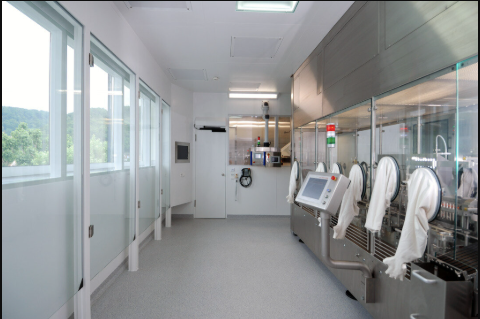
Maintaining a controlled, contamination-free environment is critical in industries such as pharmaceuticals, biotechnology, electronics, and laboratories. Cleanroom raised flooring provides an effective solution by elevating the floor to allow underfloor airflow, cabling, and utility management while ensuring a hygienic and durable surface. These flooring systems are specifically designed to meet stringent cleanliness, safety, and operational standards required in sensitive environments.
By integrating cleanroom raised flooring, facilities can achieve optimal air circulation, reduce contamination risks, and support the precise layout and functionality needed in modern controlled spaces.
What Is Cleanroom Raised Flooring?
Cleanroom raised flooring consists of modular panels installed on adjustable pedestal systems, creating a raised platform above the structural slab. This void beneath the floor serves as an underfloor plenum for:
- High-efficiency HVAC and airflow distribution
- Electrical wiring and data cabling
- Compressed air and utility piping
- Fire suppression or safety systems
Panels are typically made from steel, aluminum, or encapsulated woodcore and finished with smooth, chemical-resistant, and easy-to-clean surfaces suitable for controlled environments.
Advantages of Cleanroom Raised Flooring
Enhanced Airflow Management
Raised floors enable efficient underfloor air distribution, which is crucial for maintaining ISO-classified cleanroom conditions and preventing contamination.
Hygienic and Easy-to-Clean Surfaces
Cleanroom panels are finished with materials resistant to chemicals, spills, and microbial growth. Smooth surfaces allow easy cleaning and reduce particle accumulation.
Flexibility and Reconfiguration
Modular flooring allows quick adjustments to layout, utilities, and equipment positioning without extensive construction, which is essential in dynamic laboratory and manufacturing spaces.
See also: Advancing Manufacturing with Modern Turning Techniques
Load-Bearing Strength
Panels are designed to support heavy laboratory equipment, machinery, and personnel movement while maintaining structural integrity.
Compliance with Standards
Cleanroom raised floors are engineered to meet strict ISO cleanliness standards, fire resistance requirements, and industry-specific safety guidelines.
Common Applications
Pharmaceutical and Biotechnology Facilities
These industries require contamination-free cleanroom raised flooring environments for research, production, and quality control. Cleanroom raised floors facilitate controlled airflow, reduce particle deposition, and provide organized utility management.
Electronics Manufacturing
Production of semiconductors, circuit boards, and precision electronic components demands cleanroom conditions to prevent defects and maintain product quality. Raised flooring supports underfloor cabling and airflow while minimizing static discharge risks.
Laboratories and Research Centers
Research labs require chemical-resistant, easy-to-clean flooring to maintain sterile conditions, accommodate laboratory furniture, and allow flexible utility access.
Medical Device Manufacturing
Cleanroom raised floors ensure a controlled environment for sensitive medical device production, supporting both hygiene and operational efficiency.
Technical Considerations
Panel Materials and Surface Finish
- Steel or aluminum for high load-bearing and corrosion resistance
- Encapsulated woodcore for cost-effective moderate load areas
- Smooth, chemical-resistant coatings for hygiene and cleanability
Load-Bearing Capacity
Panels must support concentrated equipment loads as well as dynamic loads from personnel and moving furniture.
Pedestal Systems
Adjustable pedestals maintain level floors, distribute weight evenly, and ensure access to underfloor utilities. Reinforced stringers may be added for additional stability in high-load areas.
Static Control
Cleanroom flooring may include anti-static or ESD coatings to protect sensitive electronics in laboratories and production facilities.
Installation Best Practices
- Plan underfloor utility layouts before installation
- Ensure precise pedestal alignment and secure panel placement
- Verify smooth surface finishes and proper sealing for cleanliness
- Test airflow and weight-bearing capacity post-installation
Professional installation ensures the floor meets cleanliness, safety, and operational requirements.
Maintenance Tips
- Regular cleaning with approved chemical solutions
- Inspection of pedestals, panel alignment, and surface wear
- Immediate replacement of damaged panels to maintain cleanroom integrity
- Routine monitoring of underfloor airflow and utility accessibility
Benefits of Cleanroom Raised Flooring
- Controlled Environment: Supports ISO-classified cleanliness and air circulation
- Durable: Resistant to chemicals, moisture, and mechanical wear
- Flexible Layouts: Allows easy access to utilities and equipment changes
- Safe and Compliant: Meets fire, hygiene, and safety standards
- Operational Efficiency: Supports smooth workflow and equipment placement
Conclusion
Cleanroom raised flooring is essential for facilities that require strict environmental control, hygiene, and operational flexibility. Its modular design, durable surfaces, and underfloor utility management make it ideal for pharmaceuticals, biotechnology, electronics, laboratories, and medical manufacturing environments.
Investing in high-quality cleanroom raised floors ensures a safe, contamination-free, and efficient workspace while allowing future adaptability. Proper installation, maintenance, and compliance with industry standards maximize performance and longevity.
Frequently Asked Questions
What is cleanroom raised flooring used for?
It is used in controlled environments to provide hygienic, durable, and flexible flooring while facilitating underfloor airflow and utility management.
Can cleanroom floors support heavy equipment?
Yes, panels are engineered to handle concentrated and dynamic loads from machinery, laboratory furniture, and personnel.
Are cleanroom raised floors suitable for electronics manufacturing?
Absolutely. They support anti-static finishes, underfloor cabling, and airflow management to protect sensitive electronic components.
How is maintenance performed?
Routine cleaning with chemical-resistant solutions, inspection of pedestals and panels, and prompt replacement of damaged panels maintain performance.
Can cleanroom floors be reconfigured?
Yes, the modular design allows easy relocation of panels, utilities, and equipment to accommodate changes in layout or function.