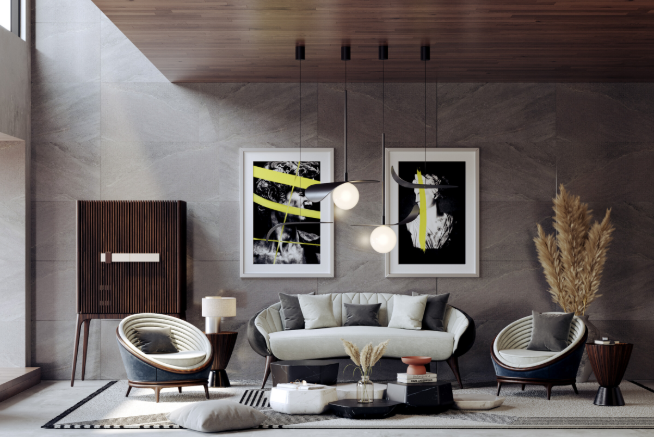
The Role of Seasonal Themes in Interior Design
Interior design is not only about functional living or working spaces; it is also about creating environments that evoke emotion and reflect the personality of those inhabiting them. Seasonal themes have grown increasingly popular in modern interior design, offering a dynamic way to transform spaces throughout the year. Designers now incorporate subtle elements that celebrate holidays and seasonal events, blending aesthetics with playful creativity.
Halloween, for instance, provides an excellent opportunity to infuse interiors with charm and fun. Interior designers often use a combination of color palettes, textures, and decorative elements to craft unique spaces that are both festive and stylish. Among these, decorative accents like halloween sprinkles have become a subtle yet impactful way to add seasonal flair without overwhelming the room.
How Small Details Elevate Interior Design
The Power of Accent Pieces
In interior design, attention to detail can dramatically influence the overall ambiance of a space. Accent pieces—whether furniture, lighting, or decorative elements—serve as focal points that tie together a room’s theme. Seasonal decorations such as halloween sprinkles, when used creatively, can add a touch of whimsy to kitchens, dining areas, or even living rooms.
For example, a designer might use a tray filled with halloween sprinkles as a table centerpiece or incorporate them into candle arrangements. This approach brings in a festive spirit while maintaining the sophistication of the overall design.
Textures and Colors
Colors and textures are crucial when introducing seasonal elements. Designers often select muted tones with pops of vibrant shades to ensure that seasonal decorations complement rather than clash with the existing interior. Black, orange, and purple are classic Halloween colors, but subtle applications through items like halloween sprinkles throw pillows, or decorative bowls can create a cohesive theme.
Textural elements also contribute to depth. Combining smooth surfaces with rough or glittery textures enhances the sensory appeal of a room. Sprinkles, for instance, can add a playful texture when sprinkled in glass jars, cloches, or table settings.
Integrating Seasonal Themes into Everyday Spaces
Kitchens and Dining Areas
The kitchen and dining spaces offer the perfect canvas for seasonal creativity. Interior designers often integrate thematic elements in functional areas by incorporating small decorations into food presentation, table settings, or shelving displays. Halloween sprinkles can be used in glass jars as decorative accents, scattered lightly across dessert platters, or even arranged artistically in clear bowls to complement the holiday color palette.
The key is subtlety; instead of overwhelming the kitchen with too many decorations, sprinkling small thematic details creates a festive atmosphere while maintaining usability.
Living Rooms and Lounges
Living rooms benefit from seasonal touches that invite conversation and enjoyment. Designers might integrate thematic throws, cushions, or artwork alongside smaller decorative details like halloween sprinkles. For instance, a designer could fill a decorative bowl with halloween sprinkles as part of a seasonal vignette, combining them with candles, small pumpkins, or autumn leaves.
This approach allows the space to feel both stylish and celebratory, perfect for entertaining guests during the holiday season.
Commercial Spaces
Seasonal interior design is not limited to residential settings. Retail stores, cafes, and offices can also benefit from subtle thematic elements. In retail, for instance, small additions like halloween sprinkles incorporated into display trays or product packaging can enhance the shopping experience, create seasonal engagement, and increase visual interest.
Offices may adopt more subdued seasonal decorations, using halloween sprinkles in decorative jars or desk arrangements to celebrate the holiday without compromising professionalism.
Balancing Festivity with Style
One of the main challenges in seasonal interior design is achieving balance. Over-decorating can make spaces feel cluttered, while under-decorating may fail to convey the intended festive atmosphere. Interior designers often use the principle of “less is more,” strategically placing small elements like halloween sprinkles in ways that highlight the holiday theme while maintaining a clean, cohesive aesthetic.
Layering decorations is another technique. Designers might combine subtle seasonal sprinkles with more permanent elements like wall art, furniture, or lighting, creating a dynamic yet harmonious environment. This ensures that the space reflects the holiday spirit without sacrificing style or functionality.
See also: Reduce EMF Hotspots: Simple Steps for a Healthier Home
Sustainable and Creative Use of Seasonal Elements
Reusable Decorations
Sustainability is an important consideration in contemporary interior design. Seasonal elements should be reusable whenever possible to reduce waste. For example, halloween sprinkles can be stored in decorative jars and reused annually or incorporated into DIY decorations, such as ornaments or table arrangements.
DIY and Personalized Touches
Personalized decorations offer a unique touch that enhances the sense of belonging and creativity in a space. Interior designers encourage clients to use simple, customizable elements like halloween sprinkles to create one-of-a-kind seasonal displays. This can include incorporating sprinkles into terrariums, glass ornaments, or layered in decorative bowls alongside other natural or seasonal materials.
Emerging Trends in Seasonal Interior Design
Interactive Spaces
Modern interior design increasingly emphasizes interactive and experiential spaces. Seasonal decorations play a key role in this trend, inviting residents and guests to engage with the environment. Designers might create interactive displays or thematic table arrangements that incorporate halloween sprinkles, allowing users to actively participate in the holiday celebration.
Multi-Sensory Experiences
Designers are also focusing on multi-sensory experiences, combining visual, tactile, and even olfactory elements. Sprinkles, while primarily visual, can be paired with scented candles, textured fabrics, and complementary lighting to create immersive seasonal spaces that delight multiple senses.
Integration with Minimalism
Even minimalist interiors can incorporate seasonal touches effectively. Small, carefully selected elements like halloween sprinkles allow designers to infuse holiday spirit without disrupting the clean, uncluttered aesthetic. This approach is especially popular in urban apartments or offices where space is limited.
Conclusion
Interior design is a dynamic field that constantly evolves to meet aesthetic, functional, and experiential needs. Seasonal themes add an extra layer of creativity, allowing designers to craft spaces that celebrate holidays while maintaining style and sophistication. Small details, such as halloween sprinkles, illustrate how subtle touches can transform ordinary environments into festive, memorable spaces.
Whether in residential kitchens, living rooms, or commercial interiors, these small decorative elements demonstrate the power of thoughtful design. Interior designers continue to innovate by blending seasonal creativity, sustainability, and functionality, ensuring that every space feels unique, engaging, and perfectly aligned with the occupant’s lifestyle and the seasonal mood.
By integrating playful elements thoughtfully and sustainably, interior design can transform spaces into environments that are not only visually appealing but also emotionally resonant, making every season a celebration of creativity and style.