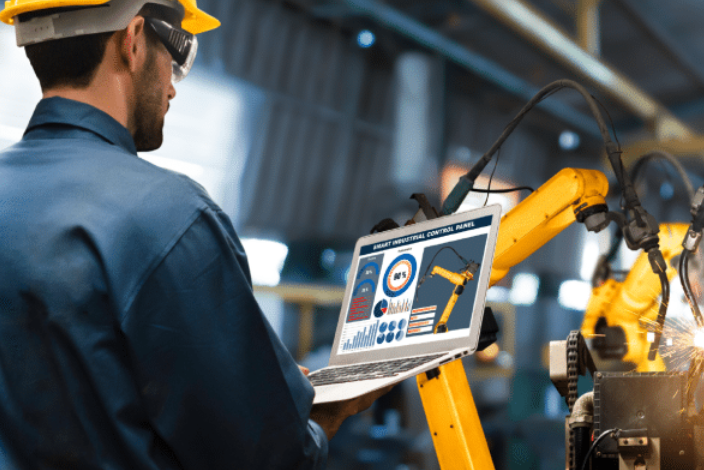
In today’s fast-paced manufacturing environment, precision, efficiency, and material versatility are more important than ever. Companies across aerospace, automotive, medical, and industrial sectors demand components that meet exact specifications while ensuring reliability and durability. CNC turning has become a cornerstone in meeting these demands, offering highly accurate and repeatable production processes. Among the specialized solutions in this space, aluminum cnc turning parts have gained popularity for their lightweight, strong, and cost-effective properties, making them ideal for a variety of applications.
Understanding CNC Turning
CNC turning is a computer-controlled machining process in which a rotating workpiece is shaped using cutting tools to achieve the desired geometry. This technique is widely used for producing cylindrical, symmetrical, or threaded components with precise dimensions and smooth finishes. Unlike manual lathe operations, CNC turning relies on programmed instructions to guide the cutting tools, ensuring accuracy and repeatability.
The process is highly adaptable, allowing manufacturers to produce complex features and tight tolerances in a single setup. With modern multi-axis machines, even intricate components can be created efficiently, minimizing the need for secondary operations.
The Advantages of Aluminum in CNC Turning
Aluminum is widely favored in manufacturing due to its unique combination of lightweight, strength, corrosion resistance, and machinability. Aluminum cnc turning parts are ideal for applications that require both durability and reduced weight, such as aerospace components, automotive engine parts, and electronic housings.
Its high thermal conductivity and excellent corrosion resistance make aluminum suitable for components that must withstand heat and environmental exposure. Additionally, aluminum can be anodized, coated, or finished in multiple ways to improve aesthetics, wear resistance, and longevity.
Applications of Aluminum CNC Turning Parts
Aluminum cnc turning parts are used across diverse industries due to their versatility and performance benefits.
Aerospace
In aerospace, aluminum components reduce the overall weight of aircraft while maintaining structural integrity. CNC-turned aluminum parts, such as engine components, fasteners, and structural fittings, are critical for ensuring safety, performance, and fuel efficiency. Precision machining ensures that these parts meet stringent regulatory standards and tight tolerances.
Automotive
The automotive industry leverages aluminum cnc turning parts for engine components, transmission parts, and lightweight chassis elements. Reducing vehicle weight improves fuel efficiency and overall performance, while precise machining ensures durability and proper fitment of components. Aluminum also allows for efficient heat dissipation, which is crucial for engine and brake components.
Medical Devices
Medical equipment manufacturers rely on aluminum cnc turning parts for surgical instruments, diagnostic equipment, and lightweight prosthetic components. The material’s corrosion resistance and machinability make it suitable for applications that demand both strength and precision. Custom machining allows for intricate designs tailored to specific medical applications.
Industrial Machinery and Electronics
In industrial machinery and electronics, aluminum cnc turning parts are used for gears, housings, connectors, and enclosures. The combination of light weight, thermal conductivity, and machinability ensures components perform efficiently while reducing overall system weight and improving heat management.
See also: How Digital Health Technologies Are Changing the Healthcare Industry
Advantages of CNC Turning for Aluminum Parts
CNC turning offers several advantages when working with aluminum, making it a preferred method for producing high-quality components.
Precision and Consistency
Computer-controlled machines achieve tight tolerances and maintain consistent quality across production runs. This precision is crucial for components that must perform reliably in demanding applications, such as aerospace or medical devices.
Efficiency
CNC turning reduces production time and minimizes human error. Multi-axis machines allow complex geometries to be produced in fewer setups, improving overall workflow efficiency.
Flexibility
Aluminum’s machinability allows for a wide range of designs, from simple cylindrical parts to complex multi-feature components. CNC turning accommodates small-scale prototyping as well as high-volume production, offering flexibility for diverse manufacturing needs.
Cost-Effectiveness
Aluminum is cost-effective compared to other metals such as titanium or stainless steel, and CNC turning minimizes waste through precise material removal. This combination of material properties and machining efficiency makes aluminum cnc turning parts both economical and high-performing.
Quality Assurance in CNC Turning
Quality control is critical when producing aluminum cnc turning parts. Components often serve essential functions, and any deviation from design specifications can impact performance or safety. Manufacturers employ rigorous inspection processes, including in-process monitoring, final dimensional verification, and the use of precision measurement tools such as coordinate measuring machines (CMMs).
Skilled quality engineers oversee every step to ensure components meet design requirements, reducing scrap, improving yield, and maintaining consistent performance across production batches.
Role in Prototyping and Product Development
Aluminum cnc turning parts are instrumental in prototyping and product development. Rapid prototyping enables engineers to test fit, form, and function before committing to full-scale production. CNC-turned prototypes closely replicate final production parts, providing realistic feedback on performance and design improvements.
This capability accelerates development cycles, reduces costs, and supports innovation, especially in industries where precision and reliability are paramount.
Sustainability Considerations
Sustainability is increasingly important in modern manufacturing. CNC turning of aluminum supports environmentally responsible practices by minimizing material waste and optimizing energy use. Precise cutting reduces scrap, while aluminum is highly recyclable, further contributing to sustainable operations. Efficient workflows and energy-conscious machinery help manufacturers reduce environmental impact without compromising quality or productivity.
Skilled Professionals in CNC Turning
Although CNC machines are automated, skilled engineers, machinists, and programmers remain essential. Their expertise ensures optimal tool selection, machining strategies, and troubleshooting during production. Knowledge of material properties, tolerances, and machine capabilities is critical to achieving high-quality aluminum components. Ongoing training keeps professionals current with technological advancements, supporting innovation and consistent quality.
Building Long-Term Manufacturing Partnerships
Reliability, communication, and collaboration are vital for long-term partnerships in CNC turning. Providers that consistently deliver high-quality aluminum components and adapt to customer requirements often become strategic partners rather than one-time vendors.
Aluminum cnc turning parts providers typically offer design consultation, process optimization, and flexible production schedules. Strong partnerships enhance efficiency, reduce costs, and improve overall manufacturing outcomes for both clients and service providers.
The Future of CNC Turning for Aluminum Components
The future of aluminum cnc turning parts is tied to technological innovations such as multi-axis machining, automation, and real-time monitoring. These advancements allow for greater precision, complex geometries, and efficient production workflows.
As industries continue to demand lightweight, high-performance, and reliable components, aluminum cnc turning will remain a key solution for producing durable, precise, and cost-effective parts. Companies that invest in advanced equipment, skilled personnel, and rigorous quality systems will continue to lead in modern manufacturing.
In today’s competitive landscape, aluminum cnc turning parts provide the precision, flexibility, and reliability required to meet industry demands while supporting innovation and sustainable manufacturing practices.