Introduction to XRF
X-ray fluorescence (XRF) has become an essential analytical technique for laboratories across industries. It allows for rapid, non-destructive, and precise elemental analysis of metals, alloys, geological samples, and environmental materials. XRF provides critical data for quality control, research, and regulatory compliance.
At the core of this technology is a reliable xrf analyzer. Selecting a high-quality instrument ensures laboratories achieve accurate, reproducible, and efficient analysis, which is vital for both routine and advanced applications.
How an XRF Analyzer Works
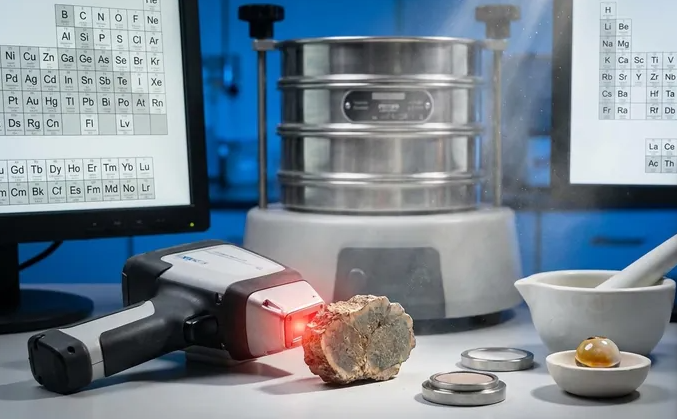
An xrf analyzer operates by directing high-energy X-rays onto a sample. The atoms in the sample become excited and emit secondary X-rays, known as fluorescence, which are characteristic of the elements present. By measuring the energy and intensity of this fluorescence, the analyzer determines the elemental composition of the sample.
Modern xrf analyzers are equipped with advanced detectors, precise optics, and integrated software for data processing. These features enhance accuracy, reduce measurement errors, and enable laboratories to process multiple samples efficiently.
Applications in Environmental Testing
Environmental monitoring relies heavily on XRF technology. Laboratories use xrf analyzers to detect and quantify trace metals such as lead, arsenic, and mercury in soil, water, and air. Accurate measurements are critical for public health and environmental compliance.
A high-quality xrf analyzer ensures consistent and reproducible results, even at very low concentrations of contaminants. This reliability helps laboratories make informed decisions and implement timely interventions to address environmental hazards.
See also: Protecting Cargo with Advanced Moisture Control Solutions
Industrial and Manufacturing Applications
In manufacturing and industrial settings, XRF technology plays a key role in quality control. It allows for the precise analysis of metals, alloys, and raw materials, ensuring products meet strict specifications and safety standards.
Using an xrf analyzer, manufacturers can obtain real-time feedback on material composition, reduce waste, and maintain product consistency. Robust and user-friendly, modern analyzers are suitable for both laboratory and on-site applications.
Academic and Research Applications
Universities and research institutions benefit greatly from xrf analyzers for teaching and experimental research. Students gain hands-on experience in sample preparation, spectral analysis, and quantitative elemental measurement.
Researchers also rely on xrf analyzers xrf analyzer to study elemental composition in biological, industrial, and geological samples. Accurate and reproducible data from high-quality analyzers support publishable research and foster scientific discovery.
Technological Advancements in XRF Analyzers
Modern xrf analyzers incorporate advanced technology such as automated sample handling, high-sensitivity detectors, digital data acquisition, and integrated analysis software. These innovations increase measurement accuracy, reduce human error, and improve laboratory efficiency.
Selecting an xrf analyzer from a reputable supplier also ensures access to calibration services, technical support, and maintenance, which are essential for long-term performance and reliability.
Best Practices for Using XRF Analyzers
To maintain optimal performance, laboratories must follow best practices when using an xrf analyzer. Proper sample preparation, routine calibration, and adherence to standardized procedures are essential.
A reliable xrf analyzer, coupled with proper maintenance and technical support, allows laboratories to achieve precise, reproducible results while minimizing downtime and workflow interruptions.
Conclusion
XRF technology has revolutionized elemental analysis by providing rapid, non-destructive, and accurate measurements. A high-quality xrf analyzer ensures that laboratories, researchers, and industrial professionals can achieve consistent and reliable results.
By integrating advanced XRF analyzers into their workflows, laboratories can enhance efficiency, maintain compliance, and support high-quality research. As the demand for precise elemental analysis grows, xrf analyzers remain indispensable tools in modern laboratories.