The Hot Melt Adhesive & Films industry has emerged as a critical component of modern manufacturing, offering solutions that are versatile, efficient, and reliable. While often hidden within products, these adhesives and films are essential for durability, quality, and performance. From packaging and automotive interiors to technical textiles and footwear, hot melt technologies have transformed production processes across multiple industries. A notable application gaining traction is the integration of waterproof sock film in footwear, which enhances water resistance while maintaining comfort and flexibility.
Understanding Hot Melt Adhesives and Films
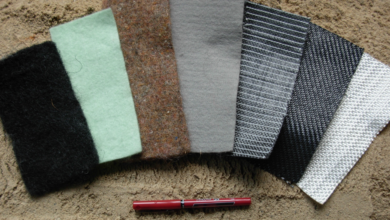
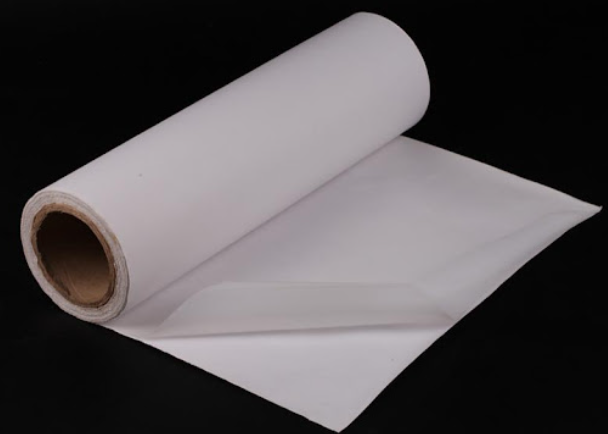
Hot melt adhesives are thermoplastic compounds applied in a molten state, which solidify upon cooling to form a strong bond between surfaces. Hot melt films are solid sheets or rolls that activate when heat and pressure are applied. Both technologies are valued for their rapid setting, precision, and ability to integrate with automated production lines.
Unlike solvent-based adhesives, hot melts require no extensive drying or curing. This allows manufacturers to increase efficiency, reduce energy consumption, and maintain a cleaner production environment. The combination of speed, reliability, and adaptability makes hot melt adhesives and films a preferred choice for high-volume production and specialized applications alike.
Applications Across Industries
Footwear and Technical Textiles
In the footwear industry, comfort and protection are paramount. Waterproof sock film has become a popular solution to enhance water resistance in shoes without compromising breathability or flexibility. Hot melt adhesives bond this film securely to the shoe lining, creating a seamless barrier against moisture while maintaining comfort for the wearer.
This technology is particularly useful in outdoor and performance footwear, where shoes are frequently exposed to wet conditions. Using hot melt adhesives ensures consistent bonding, reduces production time, and allows manufacturers to scale production without sacrificing quality. The combination of waterproof sock film and hot melt adhesives provides both durability and performance, meeting the demands of modern consumers.
Packaging and Consumer Goods
Hot melt adhesives and films are widely used in packaging applications, including cartons, trays, labels, and flexible packaging. They provide strong bonds capable of withstanding handling, stacking, and transportation. Hot melts are Waterproof sock film compatible with a variety of substrates, including cardboard, coated paper, and plastic films.
With the growth of e-commerce and global logistics, packaging operations require solutions that balance speed, reliability, and product protection. Hot melt adhesives allow high-speed production while ensuring consistency and minimizing product damage, making them indispensable in modern packaging operations.
Automotive and Industrial Applications
The automotive industry relies heavily on hot melt adhesives and films for interior components, such as headliners, door panels, carpets, and insulation layers. These materials must endure vibrations, temperature fluctuations, and prolonged mechanical stress without losing adhesion.
Hot melt films provide uniform bonding, which contributes to both aesthetic quality and functional performance. Additionally, lightweight bonding solutions help reduce vehicle weight, improving fuel efficiency. Hot melt adhesives are versatile enough to bond diverse substrates, including plastics, metals, and composites, making them essential in automotive and other industrial applications.
Performance Advantages
Rapid Bonding and Efficiency
One of the primary advantages of hot melt adhesives is their rapid bonding capability. Unlike traditional adhesives that require curing or drying, hot melts solidify almost immediately, allowing components to be handled and processed without delay. This efficiency is crucial for high-volume manufacturing lines and construction projects, where production speed directly impacts costs and output.
The fast-setting nature of hot melts also integrates seamlessly with automated machinery, ensuring consistent performance and reducing the risk of human error.
Durability, Flexibility, and Strength
Hot melt adhesives and films are engineered for durability, resisting heat, moisture, and aging. In footwear applications, hot melt adhesives bond waterproof sock film in a manner that remains flexible under repeated movement while preventing water ingress.
Flexibility is vital in applications such as footwear, roofing, and flexible packaging, where materials may expand or contract during use. Advances in polymer technology allow hot melt adhesives to be customized for elasticity, strength, and temperature tolerance, ensuring optimal performance across industries.
See also: Data Protection Firm: Safeguarding Digital Assets in a Data-Driven World
Environmental and Sustainability Considerations
Cleaner Production Processes
Sustainability is an increasing focus in manufacturing. Hot melt adhesives are typically solvent-free, reducing volatile organic compound (VOC) emissions and creating a safer, cleaner production environment. This is especially important in industries like textiles and footwear, where large-scale adhesive use is common.
Cleaner manufacturing processes help companies comply with environmental regulations and appeal to eco-conscious consumers, while also reducing workplace health risks.
Material Efficiency and Waste Reduction
Hot melt films allow precise application, minimizing excess use and reducing material waste. They can replace mechanical fasteners or multi-step assembly processes, simplifying production while conserving resources. This efficiency not only lowers costs but also supports sustainable manufacturing practices.
Recycling and End-of-Life Compatibility
With the emphasis on recycling and circular economy initiatives, adhesives need to be compatible with material recovery processes. Waterproof sock film bonded with hot melt adhesives is designed to either separate cleanly or remain neutral during recycling, ensuring safe reuse or disposal. This enhances sustainability in footwear production and other industries.
Innovations and Customization
Tailored Adhesive Formulations
Customization is a key trend in the Hot Melt Adhesive & Films industry. Properties such as viscosity, open time, elasticity, and temperature resistance can be adjusted to meet specific application needs. Tailored formulations improve performance in bonding waterproof sock film, automotive interiors, packaging, and technical textiles.
Collaboration between manufacturers and suppliers ensures materials are optimized for their intended application, reducing downtime and increasing product quality.
Advanced Application Equipment
Technological advancements in hot melt application equipment enhance precision and efficiency. Modern dispensing and lamination systems provide controlled temperatures, accurate placement, and high-speed operation. Automation and monitoring systems ensure consistent quality and reduce production errors, particularly in large-scale manufacturing environments.
Challenges and Opportunities
The Hot Melt Adhesive & Films industry faces challenges such as fluctuating raw material prices, changing regulations, and increasing consumer demand for high-performance and sustainable products. However, these challenges also provide opportunities for innovation and differentiation.
Manufacturers investing in research, sustainable materials, and customized solutions can meet market needs effectively. The growing use of waterproof sock film in footwear and other applications demonstrates a clear avenue for continued growth, particularly as consumers demand functional, durable, and eco-friendly products.
Conclusion
The Hot Melt Adhesive & Films industry has become a cornerstone of modern manufacturing, providing fast, reliable, and versatile bonding solutions. From automotive components and consumer packaging to footwear applications involving waterproof sock film, these adhesives and films ensure durability, efficiency, and performance. Ongoing advancements in material technology and application equipment position the industry to continue supporting high-quality, sustainable production practices across a range of sectors.