Fire Risk Assessment for High-Risk Premises: Managing Complex and Dangerous Environments

A Fire Risk Assessment becomes especially critical in high-risk premises where the likelihood of fire or the potential consequences are significantly greater. High-risk environments often involve large numbers of occupants, vulnerable people, dangerous processes, or flammable materials.
Examples include care homes, hospitals, hotels, factories, warehouses, chemical storage facilities, and large residential buildings. In these settings, even a small fire can escalate rapidly, making early detection and effective evacuation essential.
Understanding what makes a premises high risk helps responsible persons apply appropriate control measures.
Common Fire Hazards in High-Risk Premises
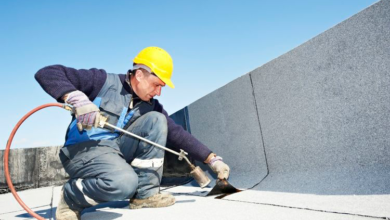
High-risk premises typically contain multiple ignition and fuel sources. Industrial environments may involve machinery, hot work, and flammable substances. Residential care settings often include medical equipment, oxygen supplies, and limited mobility occupants.
Kitchens, laundry rooms, plant areas, and storage facilities frequently present elevated risks. Poor compartmentation, outdated fire doors, and inadequate detection systems can further increase danger.
A detailed Fire Risk Assessment is essential to identify and control these hazards.
Identifying Vulnerable People at Risk
A key part of Fire Risk Assessment in high-risk premises is identifying vulnerable occupants. These may include elderly residents, patients, children, people with disabilities, or individuals unfamiliar with the building.
Evacuation may take longer or require assistance, making early warning systems and clear procedures vital. Personal emergency evacuation plans are often required to ensure individuals can be evacuated safely.
Failure to account for vulnerable people is a major compliance failure.
Fire Detection and Warning Systems
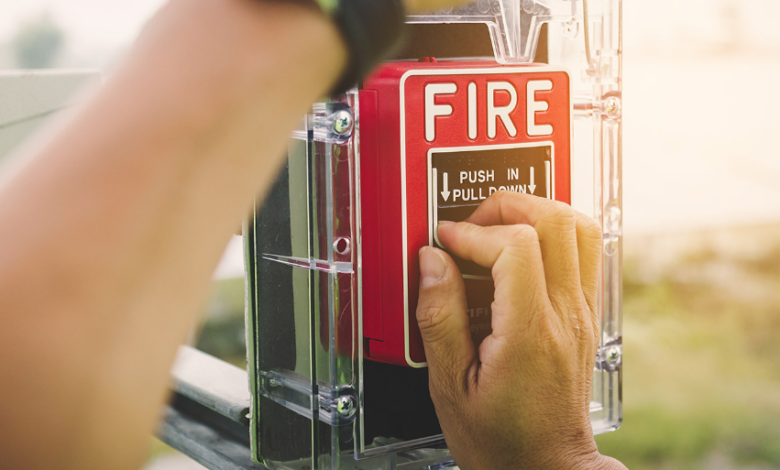
High-risk premises require advanced fire detection and warning systems. A Fire Risk Assessment should evaluate whether alarms provide early detection and clear warning throughout the building.
Automatic detection, linked alarm systems, and monitored connections to emergency services may be necessary. Audible and visual alerts should be suitable for all occupants, including those with hearing or visual impairments.
Regular testing and maintenance are essential for reliability.
Compartmentation and Fire Containment
Containing fire and smoke is a major objective in high-risk premises. Fire Risk Assessment must assess walls, floors, ceilings, and fire doors to ensure proper compartmentation.
Fire doors must be well maintained and self-closing, and penetrations through fire-resistant structures must be sealed correctly. Compartmentation buys valuable time for evacuation and emergency response.
Any breach in containment can significantly increase risk.
Emergency Planning and Assisted Evacuation
Emergency planning in high-risk premises is more complex than in low-risk environments. A Fire Risk Assessment must consider phased evacuation, horizontal evacuation, or defend-in-place strategies where appropriate.
See Also: How to Structure a High-Distinction Nursing Case Study: Examples and Expert Tips
Staff must be trained to assist occupants safely and calmly. Evacuation equipment such as evacuation chairs may be required. Regular drills help ensure that procedures are understood and effective.
Clear planning reduces panic and improves outcomes during real incidents.
Staff Training and Fire Safety Management
Fire safety management is a critical component of Fire Risk Assessment in high-risk premises. Staff must receive regular training tailored to the specific risks and evacuation procedures of the building.
Training should cover alarm response, use of equipment, evacuation assistance, and communication during emergencies. Poorly trained staff significantly increase fire risk in complex environments.
Review and Monitoring of Fire Risk Assessment
High-risk premises require frequent review of their Fire Risk Assessment. Changes in occupancy, care needs, processes, or equipment can rapidly alter risk levels.
Regular audits, inspections, and professional reviews help ensure that safety measures remain effective. Continuous monitoring is essential for maintaining compliance and safety.
FAQs About Fire Risk Assessment for High-Risk Premises
How often should high-risk premises review Fire Risk Assessment?
Reviews should occur more frequently than annually and after any change.
Are professional assessors required?
Professional assessors are strongly recommended due to complexity.
Do high-risk premises need fire drills?
Yes, drills are essential and often legally required.
What happens if risks are not controlled?
Enforcement action, closure, or prosecution may occur.
Are evacuation plans mandatory?
Yes, detailed emergency plans are essential.
Can technology reduce fire risk?
Yes, advanced detection and monitoring systems help significantly.
Conclusion
A Fire Risk Assessment for high-risk premises is a critical safety requirement that demands careful planning, professional expertise, and ongoing management. By identifying hazards, protecting vulnerable occupants, and implementing robust control measures, responsible persons can significantly reduce fire risk and ensure legal compliance in even the most complex environments.