Modern homes are designed to feel open bright and connected to the outdoors. One of the most effective ways to achieve this atmosphere is by introducing overhead glazing that transforms how light enters interior spaces. Flat roof lanterns have become a popular architectural feature for homeowners seeking to enhance comfort aesthetics and energy efficiency. At the planning stage many property owners turn to trusted specialists such as Skylights Roof Lanterns to understand how these installations can elevate everyday living while adding lasting value to the home.
Understanding Flat Roof Lanterns
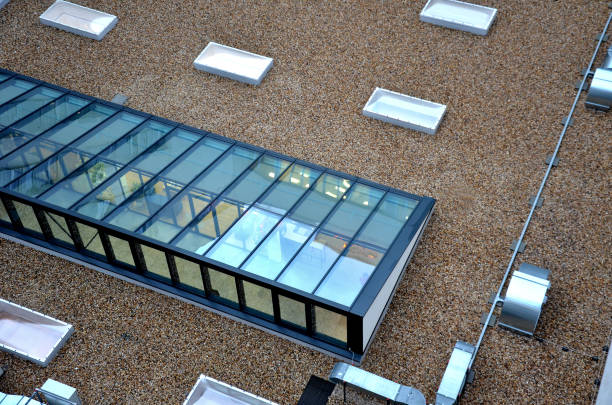
Flat roof lanterns are glazed roof structures installed on flat or low pitch roofs. Unlike traditional skylights they are designed to sit slightly above roof level allowing light to enter from multiple angles. This design helps spread daylight deeper into living spaces such as kitchens dining rooms and open plan lounges.
How Flat Roof Lanterns Work
The structure typically consists of a strong frame and high performance glass panels. These elements work together to provide insulation weather resistance and visual clarity. Flat roof lanterns are engineered to handle environmental exposure while maintaining thermal efficiency and interior comfort.
Enhancing Natural Light in Living Areas
One of the most noticeable benefits of flat roof lanterns is the increase in natural daylight. Living spaces that once relied heavily on artificial lighting can feel brighter and more welcoming throughout the day.
Impact on Daily Living
Natural light improves mood enhances focus and supports overall wellbeing. In modern living spaces where families gather cook and relax daylight creates a more pleasant and functional environment.
Key lighting advantages
- Even distribution of daylight across the room
- Reduced need for artificial lighting during daytime
- Improved visual comfort in large open spaces
These benefits make flat roof lanterns ideal for modern home layouts.
Creating a Sense of Space and Openness
Flat roof lanterns visually lift the ceiling and draw the eye upward. This effect makes rooms feel larger and more open without altering the footprint of the home.
Visual connection with the outdoors
By allowing views of the sky flat roof lanterns introduce a subtle connection with nature. This element adds character to living spaces while maintaining privacy from neighboring properties.
Energy Efficiency and Thermal Performance
Modern flat roof lanterns are designed with energy efficiency in mind. Advanced glazing technology helps regulate indoor temperatures throughout the year.
How flat roof lanterns support energy savings
High quality glass minimizes heat loss during colder months and reduces excessive heat gain during warmer periods. This balance supports consistent indoor comfort.
Energy efficiency features
- Double or triple glazed units
- Low emissivity coatings
- Thermally efficient frames
These features contribute to lower energy usage and improved household efficiency.
Modern Design Appeal
Flat roof lanterns complement contemporary architecture with their clean lines and minimalist appearance. They integrate seamlessly into modern living spaces without overpowering other design elements.
Design flexibility
Available in various sizes and frame finishes flat roof lanterns can be tailored to suit different interior styles. Whether the goal is subtle elegance or a bold focal point these installations adapt easily.
See also: Premium Decorative Gift Boxes to Make Your Gifts Stand Out
Ideal Applications in Modern Homes
Flat roof lanterns work well in many areas of the home especially spaces where wall windows are limited.
Common living spaces for installation
- Kitchens and kitchen extensions
- Dining areas
- Open plan living rooms
- Home offices
These spaces benefit the most from overhead daylight and visual openness.
Improving Property Value
Installing flat roof lanterns can positively influence property value by enhancing both aesthetics and functionality. Buyers are often drawn to homes with bright modern interiors and energy efficient features.
Long term investment benefits
Well designed roof lanterns signal quality construction and thoughtful design. This perception can increase buyer interest and overall market appeal.
Durability and Weather Resistance
Flat roof lanterns are built to withstand various weather conditions. Strong materials and precise installation ensure long lasting performance.
Structural reliability
Quality roof lanterns are tested for wind resistance water tightness and load bearing capacity. This reliability provides peace of mind for homeowners.
Low Maintenance Requirements
Despite their sophisticated appearance flat roof lanterns require minimal maintenance. Routine cleaning and occasional inspection are usually sufficient to keep them performing well.
Maintenance advantages
- Easy to clean glass surfaces
- Long lasting materials
- Resistant to discoloration and corrosion
These qualities make flat roof lanterns practical for busy households.
Supporting Sustainable Living
Modern homeowners often prioritize sustainability. Flat roof lanterns align well with eco conscious living by maximizing natural resources.
Environmental benefits
By increasing daylight and reducing reliance on artificial lighting flat roof lanterns help lower overall energy consumption. This approach supports environmentally responsible home design.
Customization Options
Flat roof lanterns can be customized to suit specific project needs. From frame color to glass specification homeowners have flexibility in design choices.
Tailored solutions
Customization ensures the roof lantern complements the architectural style of the property while meeting performance expectations.
Professional Installation Matters
Correct installation is essential for achieving the full benefits of flat roof lanterns. Skilled professionals ensure proper sealing alignment and structural support.
Working with experienced providers such as Skylights Roof Lanterns helps ensure that each installation meets quality standards and performs as intended over time.
Conclusion
Flat roof lanterns offer a wide range of benefits for modern living spaces. They enhance natural light create a sense of openness support energy efficiency and add contemporary design appeal. Suitable for kitchens living rooms and open plan areas these installations improve daily comfort while contributing to long term property value. With durable construction low maintenance requirements and customizable options flat roof lanterns are a smart investment for homeowners seeking brighter more efficient and visually striking living environments.